Do you manage a business?
Questions and answers
What is the typical schedule like for a kindergarten in Singapore?
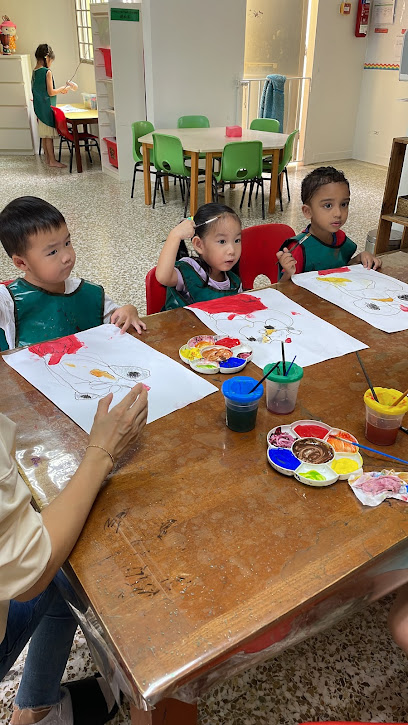
In Singapore, kindergarten programs usually run for half a day, either in the morning or afternoon. The typical schedule includes a mix of academic learning, playtime, and enrichment activities. Children engage in activities such as circle time, where they sing songs and listen to stories, as well as lessons on language, math, and science. There are also outdoor play sessions to allow kids to socialize and develop physical skills. Enrichment activities in Singaporean kindergartens may include art and music lessons, speech and drama classes, and even language classes like Mandarin. Some kindergartens also incorporate character education and values lessons to help children develop good behavior and social skills. Overall, the schedule is designed to provide a well-rounded education experience for young children.
What are the key differences between public and private kindergartens in Singapore?
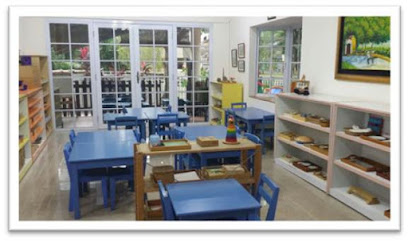
Public kindergartens in Singapore are typically more affordable and follow a standardized curriculum set by the Ministry of Education. They focus on academic readiness and may have larger class sizes. On the other hand, private kindergartens often offer more flexibility in their curriculum, with an emphasis on enrichment programs and specialized teaching methods. Private kindergartens in Singapore may have smaller class sizes, allowing for more individualized attention for each child. They may also offer unique programs such as bilingual education, Montessori or Reggio Emilia approaches, and specialized extracurricular activities. However, private kindergartens tend to be more expensive compared to public options.
What criteria should parents consider when choosing a kindergarten in Singapore?
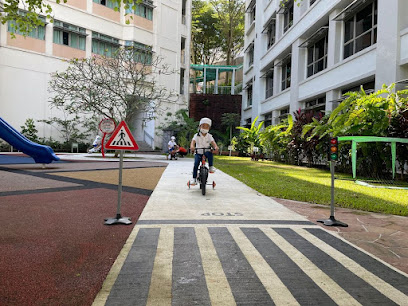
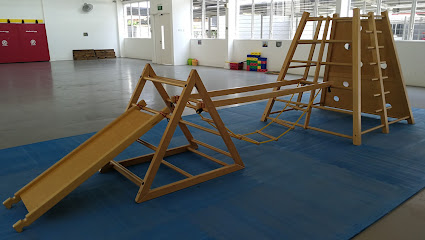
When choosing a kindergarten in Singapore, parents should consider factors such as location, cost, curriculum, class size, teacher qualifications, and facilities. Location is important for convenience and accessibility, especially for working parents who need to drop off and pick up their child. Cost is another crucial factor, as it should fit within the family's budget. Curriculum plays a significant role in a child's development, so parents should research the teaching approach and enrichment programs offered by the kindergarten. Class size and teacher qualifications can impact the quality of education, as smaller classes and well-trained teachers can provide better support for each child. Lastly, parents should also consider the facilities of the kindergarten, such as playgrounds, libraries, and hygiene standards.
Are there any cultural considerations to keep in mind when choosing a kindergarten in Singapore?
Given Singapore's diverse population, parents may want to consider the cultural environment of a kindergarten when making their choice. Some kindergartens in Singapore may have a multicultural approach, celebrating different festivals and customs to promote understanding and respect for various cultures. Parents should also consider whether the kindergarten offers resources and support for children from different backgrounds, such as language support for non-native speakers or sensitivity to dietary restrictions. Additionally, some parents may prefer kindergartens that incorporate values education or character building from a specific cultural or religious perspective. Ultimately, it's essential for parents to choose a kindergarten that aligns with their family's values and cultural beliefs.
 #1