Frequently asked questions
What are the advantages of enrolling in international schools in Singapore?
One of the primary advantages of enrolling in international schools in Singapore is the quality of education they offer. These schools often follow recognized global curriculum standards, providing students with a well-rounded education that prepares them for success in an increasingly interconnected world. Additionally, international schools in Singapore typically have diverse student populations, exposing students to different cultures and perspectives. Another advantage is the multilingual environment that international schools in Singapore provide. Many of these schools offer the opportunity for students to learn multiple languages, including English, Mandarin, and other foreign languages. This can be beneficial for students looking to develop global communication skills and increase their cross-cultural competencies.
How do I choose the right international school in Singapore for my child?
When choosing an international school in Singapore for your child, it is essential to consider factors such as the curriculum offered, location, fees, facilities, and extracurricular activities. It is also crucial to visit the school and meet with teachers and staff to get a sense of the school's culture and values. Additionally, you may want to consider the accreditation of the school and whether it is recognized by international organizations such as the Council of International Schools (CIS) or the Western Association of Schools and Colleges (WASC). It is also helpful to read reviews and testimonials from current and former students and parents to get a better understanding of the school.
Are international schools in Singapore open to students of all nationalities?
Yes, international schools in Singapore are open to students of all nationalities. These schools typically have diverse student populations from different countries around the world. The admissions process for international schools in Singapore usually involves submitting academic transcripts, letters of recommendation, and standardized test scores. While some international schools in Singapore may give preference to students of certain nationalities for cultural diversity, the majority of these schools welcome students from various backgrounds. International schools in Singapore aim to provide a multicultural learning environment that promotes global citizenship and cross-cultural understanding.
What are the language requirements for international schools in Singapore?
Language requirements for international schools in Singapore can vary depending on the school and the curriculum they follow. However, most international schools in Singapore require students to have a proficiency in English, as it is often the primary language of instruction. Some international schools in Singapore may also offer language support programs for students who are not native English speakers. Additionally, students may have the opportunity to learn other languages such as Mandarin, French, or Spanish depending on the school's offerings.
What is the average class size in international schools in Singapore?
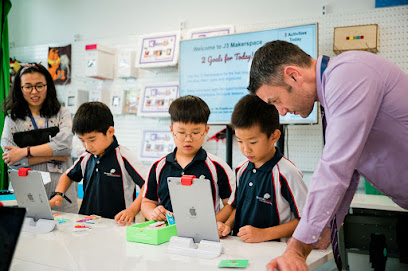
The average class size in international schools in Singapore can vary depending on the school and the grade level. However, many international schools in Singapore strive to maintain small class sizes to provide students with more individualized attention and support. Some international schools in Singapore may have an average class size of around 15 to 25 students per class, while others may have smaller class sizes of around 10 to 15 students. Smaller class sizes can allow for more engagement between students and teachers, as well as more opportunities for collaboration and participation in class discussions.
 #1