Do you manage a business?
Questions and answers
What qualifications and training does a neurosurgeon in Singapore have?
Neurosurgeons in Singapore undergo extensive education and training to specialize in surgical procedures related to the brain and nervous system. They typically complete a medical degree followed by several years of residency training in neurosurgery. This rigorous training equips them with the skills and knowledge needed to perform complex surgeries on the brain, spine, and nervous system with precision and expertise. In addition to their formal education, neurosurgeons in Singapore often pursue further specialization through fellowships or additional training in specific areas of neurosurgery, such as pediatric neurosurgery or neuro-oncology. This additional training allows them to stay up-to-date on the latest advancements in neurosurgical techniques and technologies.
What conditions do neurosurgeons in Singapore treat?
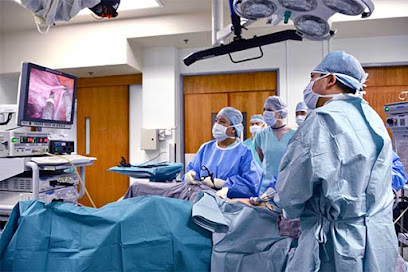
Neurosurgeons in Singapore are highly trained to diagnose and treat a wide range of neurological conditions and disorders. These may include brain tumors, spinal cord injuries, cerebral aneurysms, stroke, epilepsy, and neurodegenerative diseases such as Parkinson's and Alzheimer's. They also specialize in performing surgeries for conditions like herniated discs, spinal stenosis, and nerve compression. Whether the patient requires minimally invasive procedures, such as endoscopic surgery, or more complex interventions like brain tumor resections, neurosurgeons in Singapore have the expertise to provide personalized care and treatment plans for each individual case. They work closely with other healthcare professionals, including neurologists, radiologists, and physical therapists, to ensure comprehensive and effective care for their patients.
How do I find the right neurosurgeon in Singapore for my condition?
When looking for a neurosurgeon in Singapore, it's important to consider several factors to ensure you find the right specialist for your specific condition and needs. Start by researching neurosurgeons who have experience treating your particular neurological disorder or condition. You can ask for recommendations from your primary care physician, other healthcare providers, or friends and family who have undergone neurosurgical procedures. It's also essential to consider the neurosurgeon's credentials, such as their education, training, board certifications, and any specialized areas of expertise. Look for a neurosurgeon in Singapore who has a good reputation for providing quality care and has a track record of successful outcomes in treating similar conditions. Lastly, schedule a consultation with the neurosurgeon to discuss your condition, treatment options, and any questions or concerns you may have before making a decision.
What can I expect during a consultation with a neurosurgeon in Singapore?
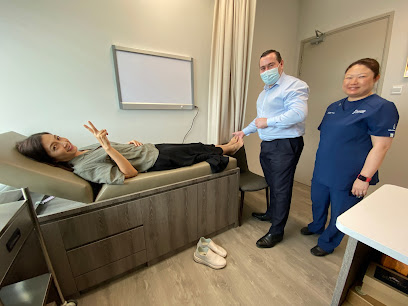
During an initial consultation with a neurosurgeon in Singapore, you can expect the specialist to conduct a thorough evaluation of your medical history, symptoms, and diagnostic test results if available. The neurosurgeon will perform a physical examination and may order additional imaging studies, such as MRIs or CT scans, to further assess your condition. The neurosurgeon in Singapore will discuss your diagnosis, treatment options, and potential risks and benefits of surgery or other interventions. They will take the time to address any questions or concerns you may have and work with you to develop a personalized treatment plan that meets your specific needs and goals. Throughout the consultation process, the neurosurgeon will prioritize clear communication, empathy, and patient education to ensure you feel informed and supported in your healthcare decisions.
 #1