Do you manage a business?
Questions and answers
What are the benefits of using an air purifier?
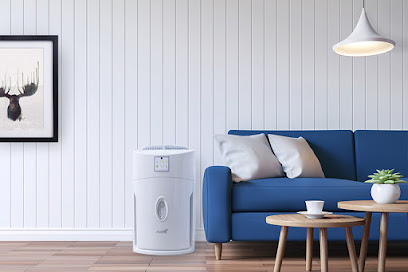
There are numerous benefits to using an air purifier in your home or office. One of the main advantages is that air purifiers help to remove harmful particles such as dust, pollen, pet dander, and mold spores from the air. This can improve indoor air quality, reduce allergens, and alleviate symptoms for people with respiratory conditions such as asthma or allergies. Additionally, air purifiers can help to neutralize unpleasant odors, smoke, and harmful volatile organic compounds (VOCs) that may be present in the air. By using an air purifier, you can create a healthier and more comfortable indoor environment for yourself and your family. Clean air is essential for overall well-being, and investing in an air purifier can help to ensure that you are breathing in fresh, purified air every day.
How do I choose the right air purifier for my needs?
When selecting an air purifier for your home or office in Singapore, there are several factors to consider to ensure that you choose the right one for your needs. First, you should determine the size of the room where the air purifier will be used, as this will help you select an appropriate model with the right coverage area. You should also consider the type of filtration system that best suits your needs, whether it be a HEPA filter for allergens, an activated carbon filter for odors, or a UV-C light for disinfection. Additionally, it is important to consider the noise level of the air purifier, especially if it will be used in bedrooms or other quiet spaces. Energy efficiency and maintenance costs are also important factors to keep in mind when choosing an air purifier. By carefully evaluating these factors and comparing different models, you can select an air purifier that is best suited for your specific needs.
Can an air purifier help with allergies and respiratory issues?
Yes, air purifiers can be beneficial for individuals with allergies and respiratory issues such as asthma. Air purifiers are designed to capture and remove common allergens and irritants from the air, including dust mites, pet dander, pollen, mold spores, and other airborne particles that can trigger allergic reactions or exacerbate respiratory conditions. By using an air purifier with a HEPA filter, which is capable of capturing particles as small as 0.3 microns, you can effectively reduce the presence of allergens in your indoor environment. This can lead to improved air quality, fewer allergy symptoms, and better respiratory health for individuals who suffer from allergies or asthma. For optimal results, it is recommended to use an air purifier in conjunction with other allergy management strategies, such as regular cleaning and dusting, to create a healthier living environment.
How often should I replace the filters in my air purifier?
The frequency of filter replacement in an air purifier depends on several factors, including the type of filter used, the level of air pollution in your environment, and the manufacturer's recommendations. As a general guideline, HEPA filters should be replaced approximately every 6 to 12 months, depending on usage and air quality. Pre-filters and activated carbon filters may need to be replaced more frequently, typically every 3 to 6 months. To ensure optimal performance and efficiency of your air purifier, it is important to follow the manufacturer's guidelines for filter replacement and maintenance. Regularly checking and replacing filters as needed will help to maintain the effectiveness of your air purifier and ensure that it continues to provide clean, purified air for your indoor space.
 #1