Frequently asked questions
What is LASIK surgery?
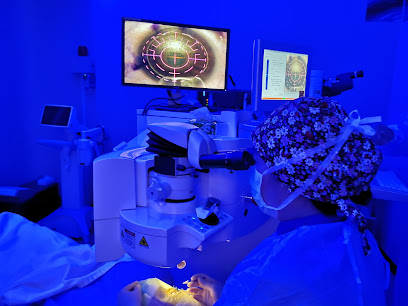
LASIK (Laser-Assisted in Situ Keratomileusis) is a popular form of refractive surgery that is used to correct vision problems such as nearsightedness, farsightedness, and astigmatism. During the procedure, a laser is used to reshape the cornea, allowing light to focus properly on the retina, which results in clearer vision. LASIK surgery is a quick and painless procedure that typically requires only a few minutes per eye, with most patients experiencing improved vision immediately after the surgery. Before undergoing LASIK surgery, patients will need to undergo a comprehensive eye examination to determine their eligibility for the procedure. Not everyone is a good candidate for LASIK, so it is essential to consult with an experienced ophthalmologist to discuss the potential risks and benefits.
What are the benefits of LASIK surgery?
One of the primary benefits of LASIK surgery is improved vision without the need for glasses or contact lenses. Many patients experience clearer vision shortly after the procedure, with most achieving 20/20 vision or better. In addition to improved vision, LASIK surgery can also enhance quality of life by allowing patients to engage in activities they may have previously avoided due to poor vision. Another advantage of LASIK surgery is the quick recovery time. Most patients can return to their normal activities within a few days of the procedure, with minimal discomfort and no need for extended downtime. LASIK surgery is also a cost-effective solution for long-term vision correction, as it eliminates the need for regular purchases of glasses or contact lenses.
What are the potential risks and side effects of LASIK surgery?
While LASIK surgery is considered safe and effective for the majority of patients, there are some potential risks and side effects to be aware of. Some patients may experience dry eyes following the procedure, which can typically be managed with eye drops and will improve over time. In rare cases, patients may also experience glare, halos, or double vision, particularly at night. It is essential to discuss any concerns about potential risks and side effects with your ophthalmologist before undergoing LASIK surgery. By carefully following post-operative instructions and attending follow-up appointments, most patients can enjoy the benefits of improved vision without experiencing significant complications.
What is the cost of LASIK surgery in Singapore?
The cost of LASIK surgery in Singapore can vary depending on several factors, including the clinic or ophthalmologist chosen, the technology used during the procedure, and any additional services or follow-up care included in the package. On average, the cost of LASIK surgery in Singapore ranges from several hundred to several thousand dollars per eye. Many clinics in Singapore offer financing options or flexible payment plans to make LASIK surgery more accessible to patients. It is essential to inquire about all costs associated with the procedure, including initial consultations, pre-operative testing, the surgery itself, and any post-operative care, to ensure that there are no unexpected expenses.
 #1