Frequently asked questions
What services can an eye doctor in Singapore provide?
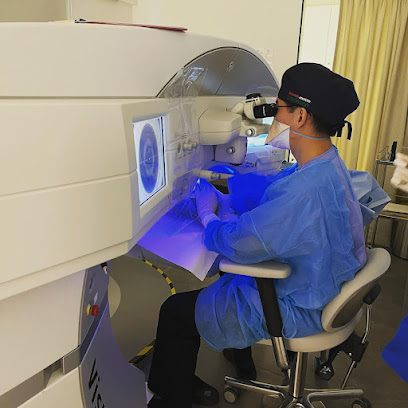
Eye doctors in Singapore, also known as ophthalmologists, offer a wide range of services to help patients maintain and improve their eye health. Some of the common services provided by eye doctors include comprehensive eye exams, prescription of eyeglasses and contact lenses, treatment of eye diseases such as glaucoma and cataracts, and LASIK surgery for vision correction. Eye doctors can also provide specialized services such as pediatric eye care, low vision rehabilitation, and cosmetic eye surgery. In addition, they can diagnose and treat conditions such as dry eye syndrome, astigmatism, and diabetic retinopathy. Many eye doctors in Singapore work in private practices or eye clinics, while others are affiliated with hospitals and medical centers. Patients can schedule appointments with eye doctors for routine eye care or urgent eye issues.
When should I see an eye doctor in Singapore?
It's important to see an eye doctor in Singapore regularly for routine eye exams, even if you don't have any noticeable vision problems. Adults should have their eyes checked every one to two years, while children and individuals with certain risk factors may need more frequent exams. You should also see an eye doctor if you experience any changes in your vision, such as blurry vision, double vision, or difficulty seeing at night. Other symptoms that warrant a visit to an eye doctor include eye pain, redness, itching, and discharge. These could be signs of eye infections, allergies, or other serious eye conditions. If you have a family history of eye diseases such as glaucoma or macular degeneration, or if you have a chronic health condition like diabetes, it's especially important to see an eye doctor regularly for early detection and treatment.
How do I choose the right eye doctor in Singapore?
When selecting an eye doctor in Singapore, it's important to consider their qualifications, experience, and reputation. Look for an eye doctor who is board-certified and has advanced training in ophthalmology or a subspecialty such as pediatric ophthalmology or corneal surgery. You can ask for recommendations from friends, family, or your primary care physician, or look for eye doctors online through professional directories or hospital websites. Read patient reviews and testimonials to get an idea of the doctor's bedside manner and quality of care. Consider the location and hours of the eye doctor's practice, as well as their accepted insurance plans and payment options. It's also important to feel comfortable and confident in your eye doctor's abilities, so schedule a consultation or introductory visit to get to know them before committing to any treatment.
What can I expect during a visit to an eye doctor in Singapore?
During a visit to an eye doctor in Singapore, you can expect to undergo a series of tests and evaluations to assess your vision and eye health. The eye doctor will likely start by asking about your medical history, any symptoms you may be experiencing, and your current eyeglass or contact lens prescription. You may then undergo a visual acuity test to measure how well you can see at various distances, a refraction test to determine your exact prescription for eyeglasses or contact lenses, and a dilated eye exam to examine the back of your eye for signs of disease or damage. The eye doctor may also use special instruments to check your eye pressure, peripheral vision, and eye muscle function. After the exam, the eye doctor will discuss their findings with you, provide recommendations for treatment if necessary, and answer any questions you may have about your eye health or vision care. They may also schedule follow-up appointments or refer you to a specialist for further evaluation or treatment. Be sure to follow your eye doctor's advice and schedule regular check-ups to maintain optimal eye health.
 #1