Frequently asked questions
Where can I find authentic Singaporean breakfast options?
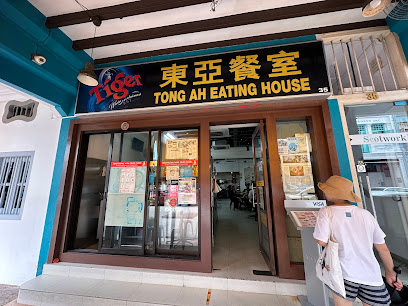
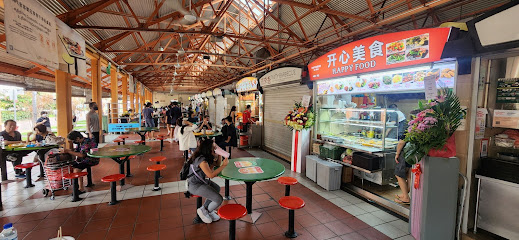
For those looking to savor the flavors of Singapore for breakfast, there are several local eateries and food stalls that offer authentic breakfast options. You can head to traditional hawker centers like Maxwell Food Centre or Tiong Bahru Market, where you can find popular dishes such as kaya toast with soft-boiled eggs and teh tarik (pulled tea). If you prefer a more upscale dining experience, you can visit renowned Singaporean restaurants like Tiong Bahru Bakery or Kopitiam at National Kitchen by Violet Oon, where you can enjoy a modern twist on classic breakfast dishes. Alternatively, several hotels in Singapore offer continental and buffet breakfast options alongside local favorites, giving you a chance to sample a variety of dishes from different cuisines. Keep in mind that these establishments may vary in terms of price and ambiance, so choose according to your preferences.
What are some popular Singaporean breakfast dishes?
Singapore is known for its diverse and flavorful food scene, and breakfast is no exception. Some of the most popular local breakfast dishes you can try in Singapore include: These dishes represent just a small taste of the diverse and delicious breakfast options available in Singapore, showcasing the country's culinary heritage and multicultural influences. Kaya toast with soft-boiled eggs: A simple yet satisfying breakfast option consisting of toasted bread spread with kaya (coconut jam), served with soft-boiled eggs dipped in soy sauce and white pepper. Nasi lemak: A fragrant rice dish cooked in coconut milk and pandan leaf, served with fried anchovies, peanuts, cucumber, boiled egg, and spicy sambal sauce. Cheese prata: A crispy pancake-like dish made from dough that is stretched and flipped to create layers, filled with cheese and served with curry sauce on the side. Laksa: A spicy noodle soup with a rich coconut milk base, topped with ingredients like shrimp, fish cakes, tofu puffs, and boiled egg.
Is breakfast a significant cultural aspect in Singapore?
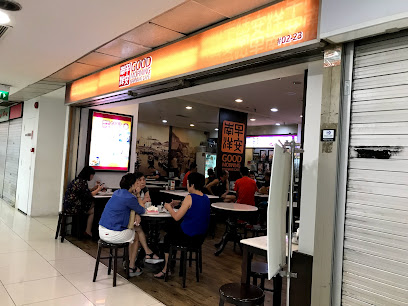
Breakfast holds a special significance in Singaporean culture, reflecting the country's unique blend of culinary traditions and influences from various ethnic groups. It is considered the most important meal of the day, setting the tone for one's energy levels and mood. Singaporeans take pride in their breakfast rituals, whether it's enjoying a cup of kopi (local coffee) with kaya toast at a neighborhood kopitiam or indulging in a hearty bowl of laksa at a hawker center. Breakfast is also a time for socializing and bonding with family and friends, with many locals gathering for morning meals on weekends. As Singapore continues to evolve and modernize, traditional breakfast dishes are adapting to suit changing tastes and lifestyles. However, the appreciation for breakfast culture remains strong, with new and innovative breakfast options emerging to cater to the diverse preferences of locals and visitors alike.
How can I enjoy a traditional Singaporean breakfast experience?
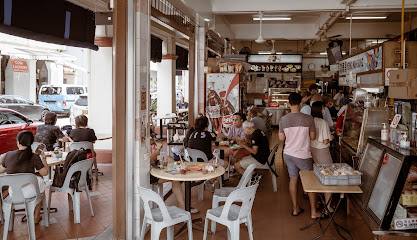
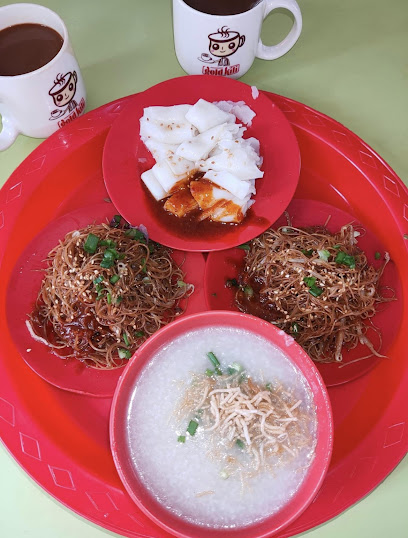
To fully immerse yourself in a traditional Singaporean breakfast experience, consider starting your day at a local hawker center, where you can sample a variety of authentic dishes in a bustling and vibrant atmosphere. Look for stalls that specialize in local breakfast favorites like kaya toast, chee cheong fun (rice noodle rolls), and roti prata. You can also explore quaint neighborhoods like Tiong Bahru and Kampong Glam, known for their charming cafes and heritage buildings that offer a mix of traditional and modern breakfast options. Don't forget to pair your meal with a cup of teh tarik or kopi o (black coffee) to complete the experience. If you prefer a more upscale setting, consider visiting a luxury hotel or restaurant that serves refined versions of classic Singaporean breakfast dishes, allowing you to enjoy a fusion of flavors in a stylish setting. No matter where you choose to dine, embracing the rich culinary heritage of Singapore is key to enjoying a memorable breakfast experience in the city.
 #1